Monbat Group supporting MESCH’s clean energy mission
Blog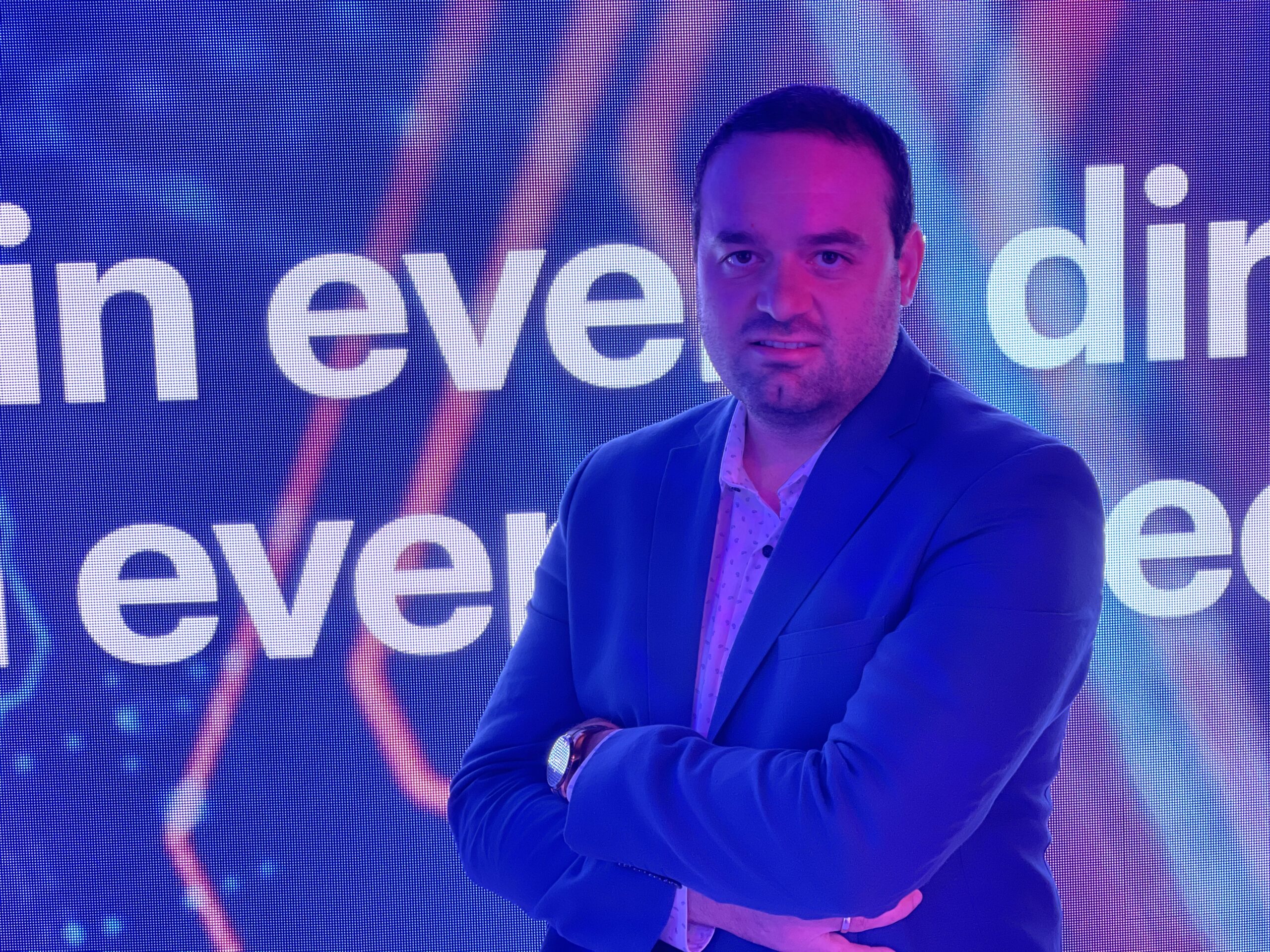
Monbat Group has joined MESCH as a long-term industrial partner, bringing decades of experience in battery technology. In this interview, Bozhidar Nekeziev, Sales Director at Monbat Group, discusses the company’s role in developing and supplying key components for the hydrogen generation system and supporting the installation of the MESCH system in Malawi.
Could you introduce Monbat and explain your role in the MESCH project?
Monbat Group is one of the largest European manufacturers of starter and industrial lead batteries and a pioneer in the production of large-scale high-power cylindrical Li-Ion cells in Europe. Monbat’s role in the project will be prototyping, production and supply of the main functional elements of the hydrogen generation system (electrolyser), technical support in the installation of the MESCH system and analysis of its life cycle feasibility.
Combining batteries and hydrogen
The first MESCH system has been shipped and is on its way to Malawi. What does this milestone mean for Monbat as a project partner?
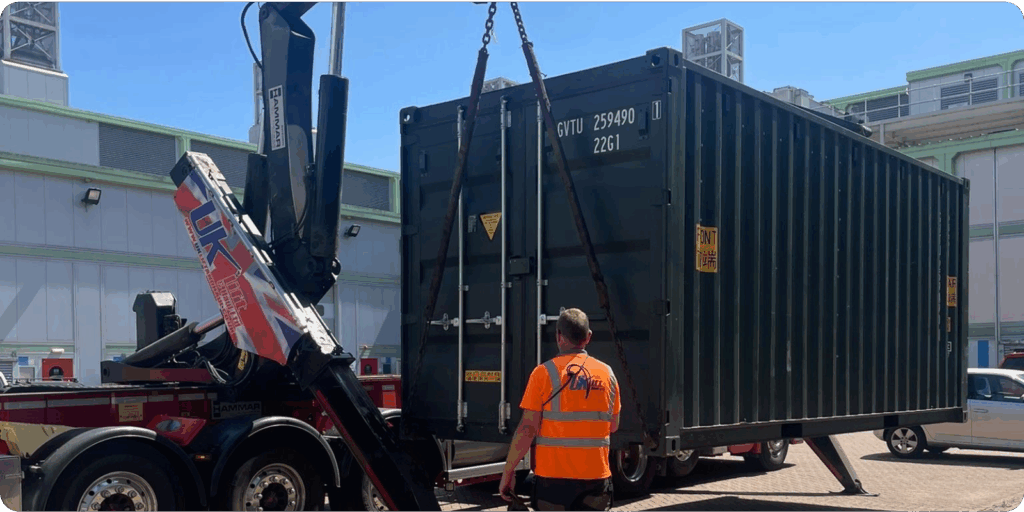
Monbat has successfully applied its proven plate production to the system. The repurposing of our batteries to produce green hydrogen gives a new direction to the traditional and well-established industry under threat from emerging technologies. We are looking forward to collecting data on the system’s performance and to proving the resilience of our technology for future applications.
Why is the battery-hydrogen link essential to MESCH’s approach to reliable energy access?
Combining battery technology with green hydrogen in a battolyser system has the potential to address multiple energy challenges, especially for reliable and decentralised energy access.
Recycling and circularity are central to Monbat’s strategy. In practical terms, how does this expertise strengthen what MESCH can deliver in Malawi?
Lead batteries are among the most recycled products globally, and Monbat successfully recycles up to 98% of these batteries, reusing the recycled materials in new production.
We need to apply the same approach to the MESCH project so that we leave no impact on the environment in Malawi. This would enable a closed-loop system where batteries and hydrogen fuel are sustainable. The result will be a lower environmental impact and the potential revenue from recycling streams.
Building the system together
Communities in Malawi need solutions they can rely on. What steps is Monbat taking to ensure the batteries perform under everyday conditions?
Monbat has supplied proven technology that has a successful track record spanning the last 25 years. We are looking forward to collecting feedback on the actual performance of the system under the exploitation conditions in Malawi and to providing our technical support to the community.
MESCH is built on strong partnerships. How has working with the project partners shaped Monbat’s own approach?
Being part of the MESCH team gives us the possibility to work in a highly skilled ecosystem for achieving a common goal. Our close collaboration with Loughborough University has inspired us to rethink our daily conventional approaches. We are shifting our focus from simply minimising hydrogen generation to actively enhancing it through the design of the plates.
On a personal level, what do you find most rewarding about being part of the MESCH project?
For me, the most rewarding part of being involved in the MESCH project is knowing that we’re not just engineering new technology, but creating technology that can fundamentally change lives. The idea that the system we build today can provide clean cooking fuel to a community tomorrow and offer a reliable source of energy is incredibly motivating.